
Overcoming Ingrained Habits to Create Sustainable Habits
Recycling Challenges
Recycling Challenges
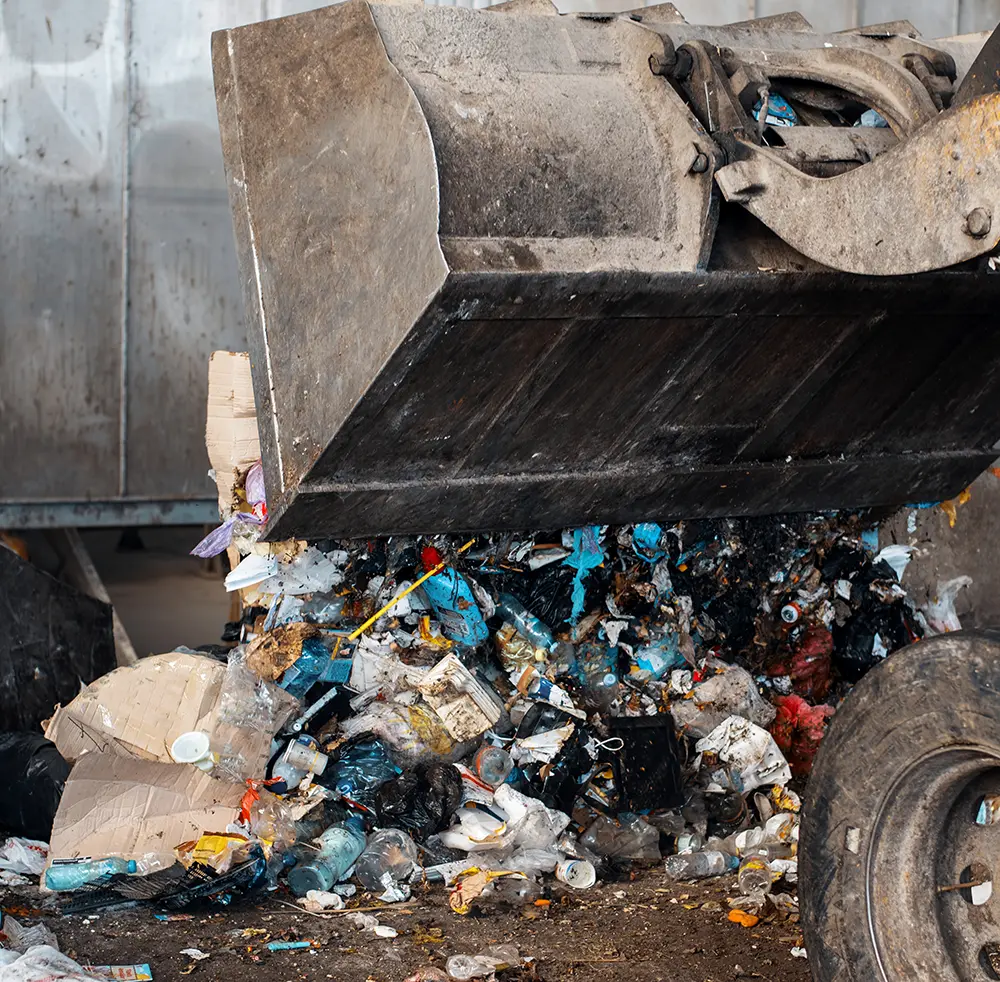
Several challenges persist in the realm of recycling today. One major issue is the contamination of recyclable materials, where non-recyclable items are introduced into the stream, compromising the quality and value of the collected recyclables. This often occurs at the point of disposal due to a lack of immediate, clear verification for consumers or inadequate clarity regarding regional recycling guidelines. Additionally, the lack of infrastructure and investment in recycling facilities poses a significant challenge, particularly in regions where recycling programs are limited. Another challenge is the economic viability of recycling, as fluctuating market demands and low commodity prices can make traditional, unverified waste operations financially unsustainable. Furthermore, the complexity of certain materials presents immense difficulties for processing facilities when materials are mixed unchecked. Addressing these challenges requires concerted efforts from governments, industries, and consumers to deploy connected infrastructure, enhance immediate awareness, and promote sustainable consumption habits.
6 Common Recycling Issues That Require Innovative Solutions:
Confusion about Recycling Rules
Lack of Education and Awareness
Convenience
Contamination
Misinformation and Greenwashing
Behavioral Barriers
Traditional Efforts For Contamination-Free Recycling
Efforts to enhance recycling have faced persistent challenges, hindering the achievement of a cleaner, better-sorted recycling stream free from contamination. These challenges stem from various factors:
The increasing complexity of materials used in consumer products poses a significant obstacle to efficient processing, as many products are composed of multiple materials that are difficult to separate effectively once mixed. Additionally, the lack of standardized recycling programs across different regions contributes to confusion among consumers regarding what items can and cannot be recycled, leading to the immediate contamination of public recycling streams.
Despite ongoing efforts to educate the public about proper recycling practices, consumer behavior remains a key issue, with many individuals continuing to dispose of non-recyclable materials in recycling bins due to situational confusion or a lack of immediate verification. Furthermore, fluctuations in market demand for recycled materials can make it challenging to find buyers for certain types of recyclables, impacting the economic viability of recycling programs and incentivizing the deployment of upstream contamination reduction efforts.
While traditional infrastructure developments have focused on improving downstream separation capabilities to some extent, there are still inherent limitations in effectively separating mixed materials after they have already been contaminated in the bin. Additionally, many recycling programs operate on limited budgets, which can impede efforts to replace entire bin networks or fund the massive education campaigns needed to improve recycling quality through passive means.
Addressing these challenges necessitates a proactive approach involving investment in connected infrastructure, standardized local guidelines, automated point-of-disposal verification, and the development of reliable data collection frameworks. Collaboration between technology providers, industries, and the public is essential to overcome these obstacles and establish a more sustainable, verified recycling system.

Share Your Pain Points
Tell us more about the recycling issues your organization faces. Our team seeks challenges in the waste management industry to craft viable and sustainable solutions.