
Understanding the Impact onr Recycling Systems
Recycling Contamination
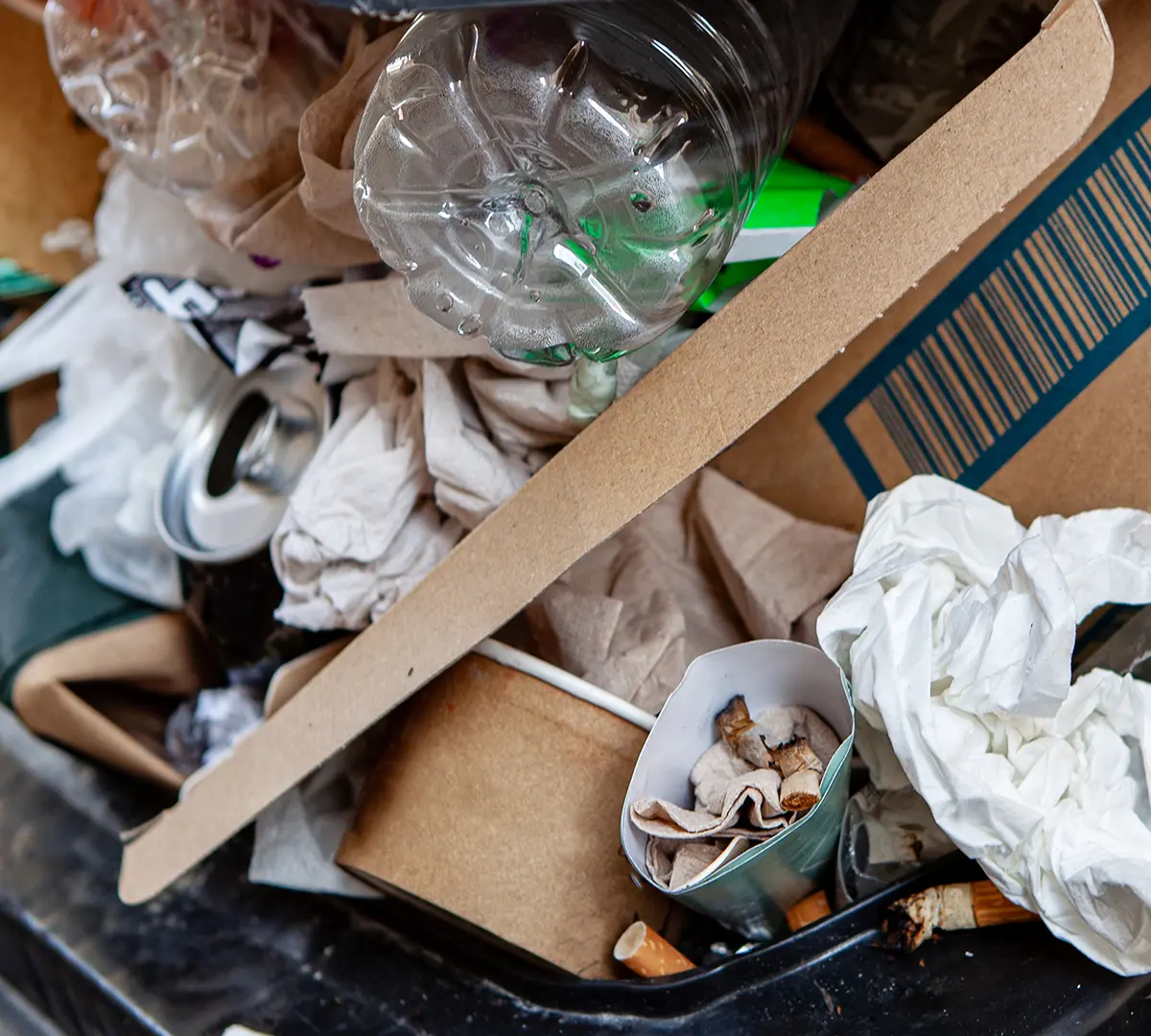
Recycling Contamination: How It Affects Recycling
Contamination in recycling streams significantly hampers the efficiency and effectiveness of recycling systems. Contamination occurs when non-recyclable materials are introduced into collection containers, mixing unacceptable items with clean recyclables. This issue is particularly prevalent in plastic and aluminum recycling, where a lack of clear validation regarding which items are accepted leads to unintentional contamination at the moment of disposal. For example, food residues on containers, non-recyclable plastic bags, and unacceptable types of plastic mixed together create significant operational challenges and degrade the entire material stream.
Contamination in recycling systems has serious economic and environmental consequences. Economically, it reduces the quality of collected materials, making them less valuable and harder to market. Materials that become contaminated are often diverted to landfills or incinerators, which reduces overall recycling rates and increases waste management costs for municipalities and businesses. Furthermore, handling contaminated streams leads to additional operational costs and overhead, further straining recycling infrastructure. Environmentally, contamination results in the loss of valuable resources that could otherwise be diverted, increasing the demand for virgin materials and exacerbating the depletion of natural resources.
Why Recycling Contamination Matters
Increased Costs
Handling contaminated material streams requires additional operational overhead and processing time, driving up hauling expenses and triggering strict contamination penalties.
Lower Material Quality
Contaminants degrade the overall purity of collected materials, limiting their usability in circular manufacturing and reducing their market value.
Reduce Efficiency
Unaccepted materials disrupt the efficiency of the waste stream, leading to collection delays, increased maintenance overhead, and operational friction.
Worsen Environmental Impact
Highly contaminated batches are often rejected entirely and diverted to landfills, negating the community benefits of public recycling initiatives.
A Cleaner Future Begins with Cleaner Recycling Streams
Recycling contamination is a complex issue that undermines the potential of recycling systems to conserve resources and protect the environment. By combining immediate consumer clarity, connected infrastructure, proactive organizational policies, and community-wide alignment, we can establish a highly efficient and sustainable waste management model. As we look toward the future, the deployment of targeted behavioral architecture and unified data frameworks will be key to eliminating contamination at the source and fostering a cleaner, greener world.

Share Your Pain Points
Tell us more about the recycling contamination issues your organization faces. Our team seeks challenges in the waste management industry to craft viable and sustainable solutions.