In an era of greenwashing accusations and deep consumer skepticism, traditional brand loyalty is fracturing. Modern consumers do not just want to buy from sustainable brands; they want to participate in sustainability. However, there is a massive gap between a brand’s environmental claims and a consumer’s daily reality.
The solution to this trust deficit is not found in a better ad campaign. It is found at the moment of disposal.
By viewing recycling not as a waste management problem but as a high-integrity touchpoint, forward-thinking brands are discovering a new gateway to authentic consumer relationships.
The Death of Passive Sustainability
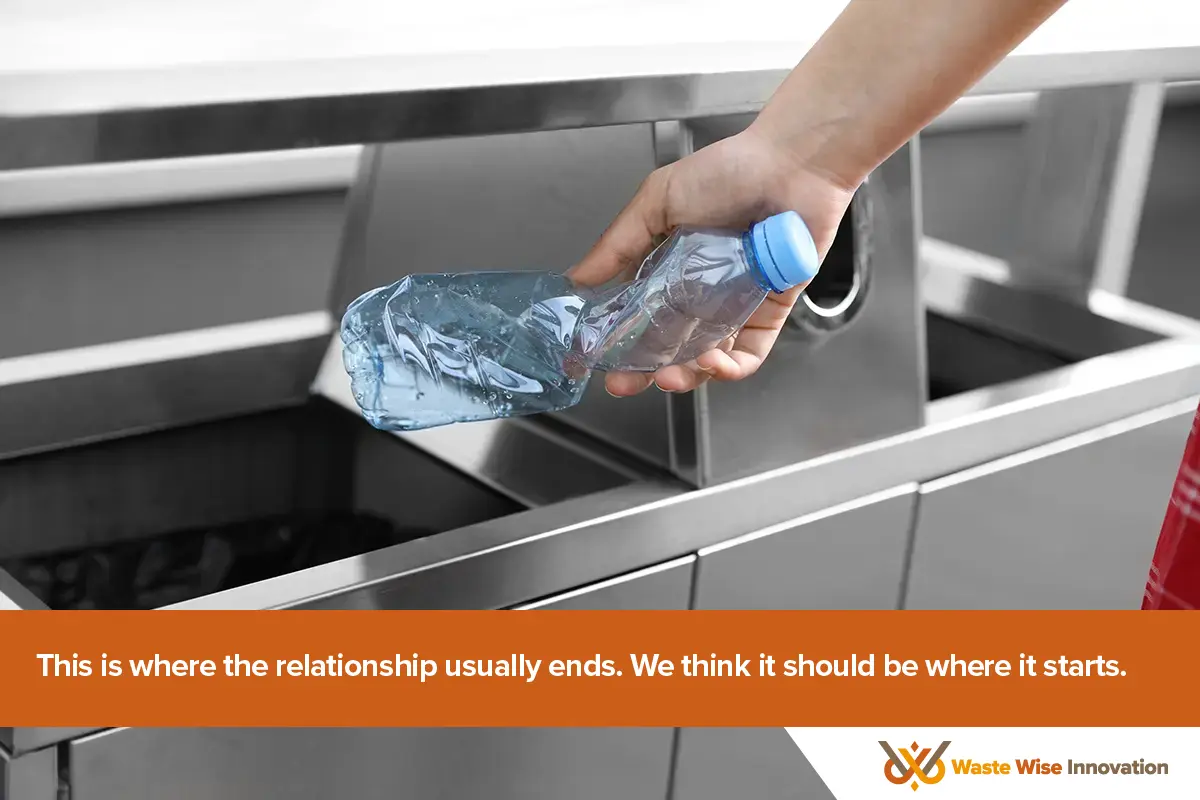
For years, brands leaned on passive sustainability: a logo on a box, a donation to a non-profit, or a recycled-content claim. But for the consumer, the experience ends the moment they walk to the bin. Once that package leaves their hand, the relationship with the brand’s promise vanishes into a black hole of uncertainty.
Does this actually get recycled? Is this brand just offloading the burden on me?
When a brand meets a consumer at a Recycling Intelligence Network terminal, the dynamic shifts from passive to proactive. This is not just tossing trash. It is a verified physical handshake.
Building the Hero Moment
Every time a consumer correctly navigates a complex recycling stream, they experience a hero moment which is a small but significant win for their personal values.
When a brand powers the intelligence that facilitates this win, they earn a Halo Effect. The Recycling Intelligence Network provides the third-party validation that the consumer’s effort actually matters.
- Verified Impact: The network closes the loop, offering immediate confirmation of a job well done.
- Shared Mission: The brand is no longer just a vendor; they are a partner in a global effort.
- The Trust Transfer: The integrity of the recycling process transfers directly to the brand’s reputation.
Moving from Transaction to Transformation
Most marketing strategies focus on the Top of Funnel by shouting for attention in a crowded digital landscape. Utilizing a recycling intelligence network flips this. It focuses on the Point of Action.
By rewarding the physical act of recycling, a brand moves beyond a simple transaction. They are rewarding a behavior that the consumer already values. This creates a foundation of earned trust.
When a consumer interacts with a high-intelligence system that simplifies their life and validates their values, the friction of marketing disappears. The relationship is no longer built on tracking cookies or invasive data mining; it is built on a transparent value exchange.
The Competitive Moat: Physical Integrity
In a world where digital strategies are easily copied, the Physical-to-Digital bridge is a powerful competitive moat.
A Recycling Intelligence Network is not just a piece of hardware. It is a commitment to radical transparency. It proves that a brand is willing to invest in the infrastructure of the future, rather than just the marketing of the past.
The takeaway for Brand Strategists is clear: If you want to build a relationship that lasts, start where the product ends. By facilitating a smarter, verified recycling experience, you are not just managing waste. You are building the most valuable asset in the modern economy: Incorruptible Trust.