As we move through 2026, the global packaging industry is facing a significant period of adjustment. Many organizations that set ambitious sustainability targets for the mid-2020s are now identifying systemic friction points that hinder progress. From high contamination rates to the rising costs of recycled materials, the path to a circular economy has proven more complex than initially projected.
By analyzing these industry-wide challenges, we can better understand how targeted innovations provide the necessary bridge to compliance and efficiency.
The Contamination Challenge in the Recycling Stream
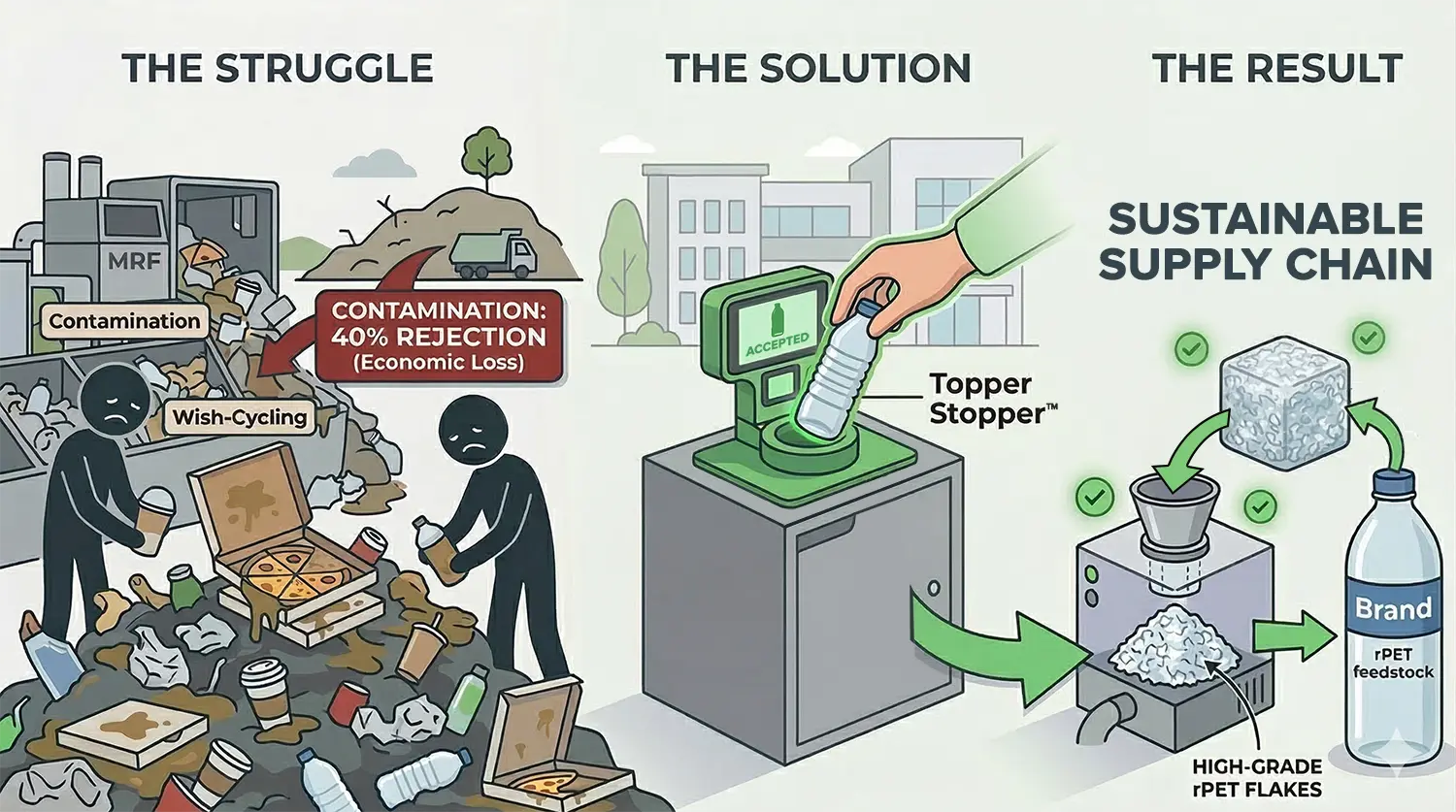
A primary hurdle identified by major consumer goods companies and retailers is the high rate of material loss due to contamination. Even when packaging is technically “designed for recycling,” it often fails to reach its second life because of improper sorting or food residue.
- The Industry Struggle: Large-scale processors report that a significant percentage of collected plastic is diverted to landfills because it is mixed with non-recyclable materials. This gap between theoretical recyclability and actual recovery creates a “leakage” in the system that costs companies millions in lost potential.
- The Operational Impact: This inconsistency makes it difficult for brands to secure a reliable supply of high-quality recycled resins, forcing a continued reliance on virgin materials to ensure packaging integrity.
Economic Barriers and the “Green Premium”
The financial feasibility of using recycled content remains a major point of discussion across the manufacturing sector.
- Cost Volatility: The market for high-quality, food-grade recycled plastic often carries a “green premium.” This means recycled materials can cost significantly more than their virgin counterparts.
- Infrastructure Gaps: Many regional sorting facilities lack the advanced technology required to separate complex materials. This lack of infrastructure forces companies to choose between paying higher premiums for scarce materials or missing their sustainability benchmarks.
Navigating New Regulatory Frameworks
Governmental shifts toward Extended Producer Responsibility (EPR) are changing the financial landscape. In several regions, companies are now responsible for the end-of-life costs of their packaging. Those with “difficult-to-recycle” materials often face higher fees, creating an urgent need for better collection and sorting data.
Targeted Solutions: How Waste Wise Innovation Bridges the Gap
While the industry identifies these external barriers, the focus must shift toward scalable solutions that address the “last mile” of the recycling process. Waste Wise Innovation provides the tools to turn these systemic challenges into operational wins.
Eliminating Contamination at the Point of Disposal
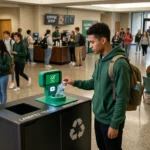
Instead of relying on downstream sorting, the Topper Stopper™ system addresses contamination at the source. By retrofitting collection points with intelligent access technology, only the intended materials enter the stream. This creates a cleaner, high-value feedstock that reduces the need for expensive secondary cleaning and lowers the overall “green premium” for the user.
Data-Driven Compliance and Reporting
With the rise of EPR fees, transparency is no longer optional. TS Analytics™ provides real-time visibility into diversion rates and material purity. This data allows organizations to prove their environmental impact with precision, potentially qualifying them for lower regulatory fees and protecting them against claims of insufficient progress.
Specialized Management for Complex Waste
Standard recycling facilities are often ill-equipped to handle specialized items like sharps, chemicals, or micro-plastics. Waste Wise offers dedicated systems for these problematic streams, ensuring they are treated safely and kept out of the general recycling loop where they would otherwise cause widespread contamination.
Conclusion: Moving from Obstacles to Partnerships
The challenges cited by the packaging and retail sectors are real, but they are not insurmountable. By moving away from traditional collection methods and adopting audited, intelligent systems, organizations can meet their 2030 goals with confidence. Waste Wise Innovation provides the infrastructure to transform recycling from a cost center into a streamlined, data-backed success.
Sources
Industry Research (2025): “The Economic Realities of Post-Consumer Resin Procurement.”
Global Packaging Journal (2025): “Infrastructure Deficits in Modern Material Recovery Facilities.”
Environmental Policy Review (2026): “EPR Legislation and the Impact on Corporate Sustainability Budgets.”
Sustainability News Network (2026): “Addressing the Contamination Crisis in Municipal Streams.”