In the high-stakes world of modern marketing, data is the most valuable asset a brand can own. Yet every day, properties across the United States allow a massive volume of this resource to vanish.
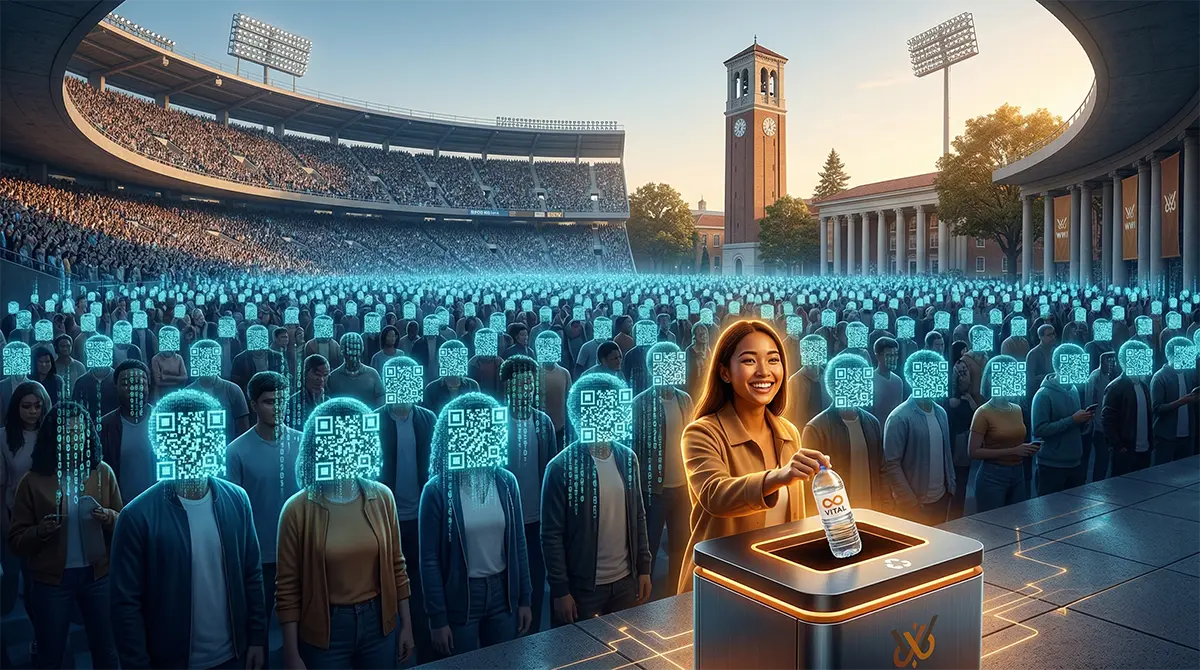
When a consumer walks into a stadium, a university campus, or a retail center, they often enter as a ghost. They buy, they consume, and they leave while remaining completely invisible to both the brand and the venue.
The scale of this anonymous footprint is a massive untapped opportunity.
The Numbers: A Sea of Anonymous Interactions
To understand the potential, we must look at the sheer volume of annual foot traffic in the U.S. These are not just visits. They are moments of intent that currently go unrecorded.
| Location Type | Estimated Annual Visits | The Data Gap |
| Major Venues (Sports, Zoos, Arenas) | ~1 Billion | Group purchases where only one person is “known.” |
| Retail & Grocery | ~113 Billion | High-frequency interactions limited to basic transaction data. |
| Convenience & QSR | ~70 Billion | The grab-and-go economy with zero consumer profiling. |
| College & Corporate Campuses | ~25 Billion+ | Daily captive audiences that remain largely unprofiled. |
When you aggregate these sectors, we are looking at hundreds of billions of anonymous interactions every year. Within these visits, consumers make choices based on their values, tastes, and lifestyles. Because many current systems focus on observation rather than participation, the true reason behind the purchase remains a mystery.
Surveillance vs. Connection: Why Traditional Methods Fall Short
Most location based marketing relies on passive data gathering. This includes techniques like device tracking, proximity sensors, or basic transaction logs.
The problem is that this is often perceived as surveillance. Passive tracking tells a brand where a device was, but it says nothing about the person holding it. It misses the nuance of the consumer who chooses a brand because of its mission or the visitor who has specific preferences that go unvoiced.
By relying on hidden technology, brands miss the chance to connect with consumers in an ethical and transparent way. There is a massive segment of the population willing to share what matters to them provided the interaction is clear, purposeful, and mutually beneficial.
The Bin: The Only Honest Touchpoint
There is one moment in the consumer journey that has remained untapped for decades. That is the moment of disposal.
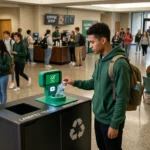
While a purchase might be made for a group, the act of recycling is an individual physical action. In the U.S. alone, there are billions of annual bin events where a consumer interacts with a recycling unit at a public property.
This is the most honest touchpoint in the lifecycle of a product. It is the moment when a visitor becomes an active participant in a circular economy. At the final stage of the journey, the veil of anonymity can finally be lifted through a respectful and value driven exchange.
Stop Watching Your Visitors. Start Meeting Them.
We are currently operating in a billion person ghost town, but your property does not have to stay invisible. Every unrecorded recycling event is a lost conversation and a missed marketing opportunity that your competitors are already overlooking.
The gap between a transaction ID and a loyal advocate is simply a lack of the right handshake at the right time. By moving away from invisible tracking and toward a model of ethical engagement at the bin, you can finally turn your foot traffic into a proprietary community of known advocates.
Are you ready to stop guessing and start knowing who is really visiting your venue.