Recycling is a cornerstone of sustainability efforts in public venues. Still, contamination of the recycling stream remains a persistent and costly challenge, particularly in stadiums, arenas, university campuses, corporate campuses, and busy municipal areas. Let’s break down the scope of the problem, the economic impact, and how our innovative solutions help venues turn the tide.
The Contamination Problem: How Big Is It?
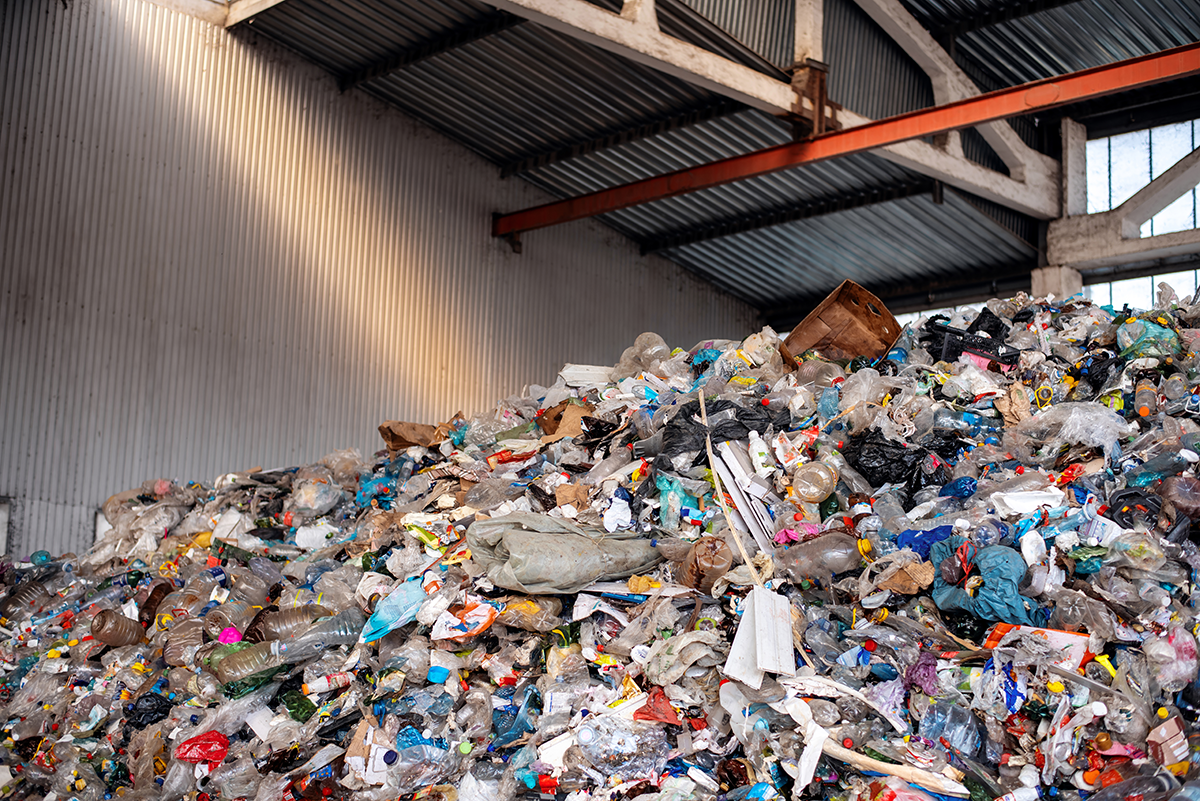
Contamination occurs when non-recyclable items or dirty recyclables end up in recycling bins. In high-traffic venues, the problem is often worse than in residential settings due to hurried disposal, food and beverage waste, and transient populations unfamiliar with local recycling rules.
Contamination Rates by Venue Type
| Venue Type | Typical Contamination Rate (%) |
| Stadiums/Arenas | 30–50% |
| University Campuses | 25–40% |
| Corporate Campuses | 20–35% |
| Municipal Public Spaces | 30–45% |
Sources: Green Sports Alliance, Keep America Beautiful, EPA Waste Characterization Studies, University of Michigan Waste Audit 2019
The Economic Impact: Dollars Down the Drain
Contamination isn’t just an environmental issue; it’s a financial one. Here’s how it hits different venues:
- Stadiums/Arenas: A single major event can generate 20–40 tons of waste. High contamination means much of this is landfilled, costing venues $10,000 to $30,000 per event in lost recycling revenue and extra landfill fees.
- University Campuses: Annual waste management budgets can be inflated by $100,000 to $250,000 due to contamination, as loads are rejected by recycling facilities and sent to landfills.
- Corporate Campuses: Contamination can increase waste hauling costs by 20–30%, and companies may lose out on sustainability certifications or rebates.
- Municipal Public Spaces: Cities often pay $50 to $100 per ton in contamination surcharges, adding up to millions annually for large municipalities.
Estimated Annual Economic Impact by Venue Type
| Venue Type | Estimated Annual Cost of Contamination |
| Stadiums/Arenas | $250,000 – $1,000,000 |
| University Campuses | $100,000 – $250,000 |
| Corporate Campuses | $50,000 – $200,000 |
| Municipal Public Spaces | $500,000 – $2,000,000 |
Sources: Green Sports Alliance, EPA Waste Characterization Studies, University of Michigan Waste Audit 2019, Keep America Beautiful, National League of Cities
Our Solutions: Smarter, Cleaner, Greener
Waste Wise Innovation offers a suite of solutions designed specifically for high-traffic venues to tackle contamination at multiple points:
Material Authentication Unit Retrofit System
This plug-and-play system transforms existing recycling bins into connected, data-driven recycling stations. The system uses behavioral design to engineer the moment of disposal, utilizing a controlled access door that opens only after an item’s barcode is scanned and matched against an on-device acceptance list.
Color-coded physical status lights confirm the result on the spot. By interrupting autopilot behavior and enforcing a precise, code-based verification process, this approach protects the recycling stream and dramatically reduces contamination at the source.
Infrastructure Analytics Data Tools
Waste Wise Innovation’s Infrastructure Analytics platform provides venues with secure data on logged deposits and general bin usage. Because data collection logs anonymous events, facilities management teams receive precise analytics for logged deposits while keeping the process entirely privacy-first.
This allows operators to review macro-level trends and conduct targeted interventions, like relocating bins or adjusting static signage, right where they are needed most.
Community Engagement and Education
Waste Wise Innovation supports venues with custom education campaigns, including digital signage, social media toolkits, and event-day “recycling ambassadors” to guide guests. Promotional and educational content runs as a standalone attract loop on nearby screens and operates independently of any individual item scan or access decision.
Connected Bin Technology Integration
For venues ready to scale up their technical stack, Waste Wise Innovation integrates advanced barcode scanning and fill-level sensing hardware to optimize collection routes, reduce operational overhead, and maintain network-independent processing directly on the device.
Dr. Leotis Bloodworth is the Co-Founder and Chief Executive Officer of Waste Wise Innovation, where he leads the development of advanced technology solutions designed to eliminate recycling stream contamination. A specialist in waste sorting and product development, he is the driving force behind the company’s recycling intelligence network platform. With over a decade of experience in large-scale recycling activations, Dr. Bloodworth has managed post-event waste logistics for major sports stadiums and pioneered initiatives that transform discarded materials into sustainable apparel. Based in Charlotte, North Carolina, he focuses on scaling hardware and software innovations that bridge the gap between physical infrastructure and digital data, empowering organizations to achieve transparent, measurable, and highly efficient circular economy models.