by Dr. Leotis Bloodworth | Jun 30, 2026 | Circular Economy, Consumer Engagement, Contamination, Contamination Prevention, Contamination Solutions, Data Collection, Data Management, PET, Recycling, Recycling Data, Recycling Stream, rPET, Sustainability, Sustainability Strategy, Trust Building
For years, the recycling industry has been told the same story: the path to cleaner streams, better diversion rates, and stronger sustainability reporting runs through more technology. Smarter bins. More sensors. AI at every touchpoint. Waste Wise Innovation spent...

by Dr. Leotis Bloodworth | Apr 21, 2026 | Behavioral Architecture, Contamination, Contamination Prevention, Contamination Solutions, PET, rPET, Sustainability, Waste Management
Recycling in high-traffic environments like stadiums, airports, and corporate campuses presents a unique set of challenges compared to residential collection. In these fast-paced settings, users have mere seconds to decide where an item goes. This split-second...
by Dr. Leotis Bloodworth | Mar 13, 2026 | Recycling, Circular Economy, Contamination, Data Collection, EPR, ESG, Infrastucture, PET, Recycling Data, Recycling Stream, rPET, Stakeholders, Waste Management
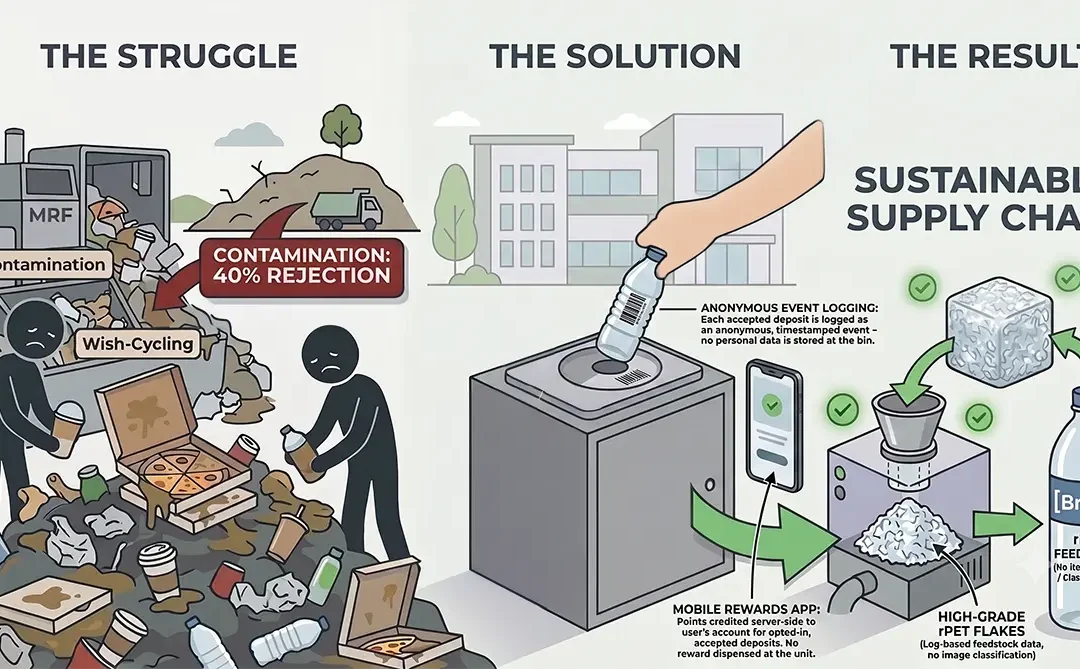
As we move through 2026, the global packaging industry is facing a significant period of adjustment. Many organizations that set ambitious sustainability targets for the mid-2020s are now identifying systemic friction points that hinder progress. From high...
by Dr. Leotis Bloodworth | Jan 17, 2026 | Playbook, Contamination, Contamination Prevention, Contamination Solutions, Data Collection, Data Management, PET, Recycling, Recycling Data, Recycling Stream, rPET, Stakeholders, Sustainability Strategy
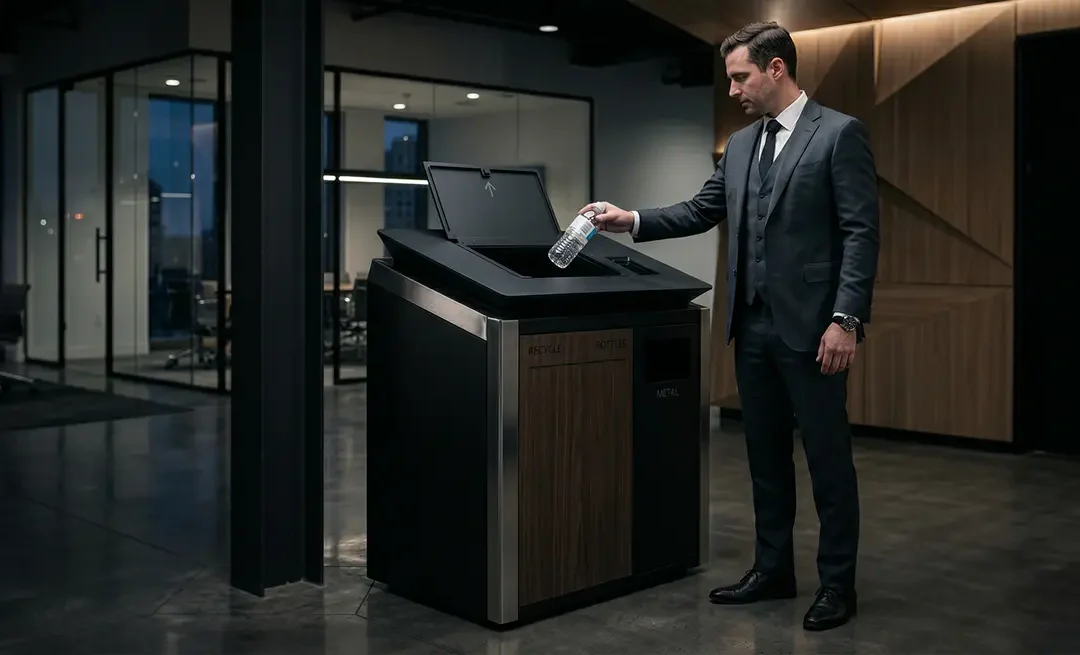
Recycling contamination is the silent budget killer in commercial waste programs. When a material stream is compromised, recycling infrastructure quickly turns into costly landfill disposal, carrying extra handling fees, rejected loads, vendor disputes, and corporate...
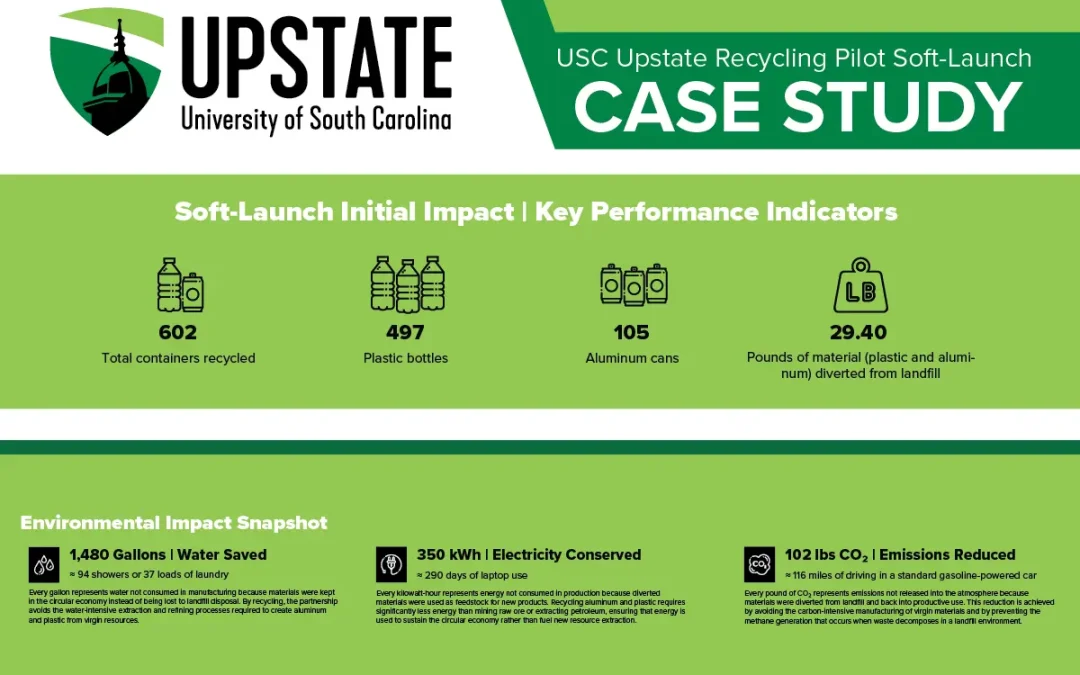
by Dr. Leotis Bloodworth | Jan 9, 2026 | Case Study, Contamination Solutions, Operational Intelligence, Sustainability Strategy
For the past two years, we have discussed the potential of our Material Authentication Units. We have shared the designs, the vision, and the goal of achieving zero contamination in high-traffic recycling environments. We have explained why physical design beats...