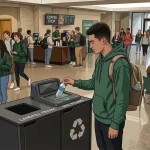
by Dan Trujillo | Apr 28, 2026 | Recycling, Behavioral Architecture, Brand Strategy, Circular Economy, College Campus, Colleges, Consumer Engagement, Data Management, Infrastucture, Marketing, Playbook, Recycling Data, Sustainability, Sustainability Strategy, Waste Management, Zero-Party Data
In the world of technology, value is rarely found in a single device. A phone is a tool, but a network of phones is a revolution. This principle, known as Metcalfe’s Law, states that the value of a network is proportional to the square of the number of its connected...
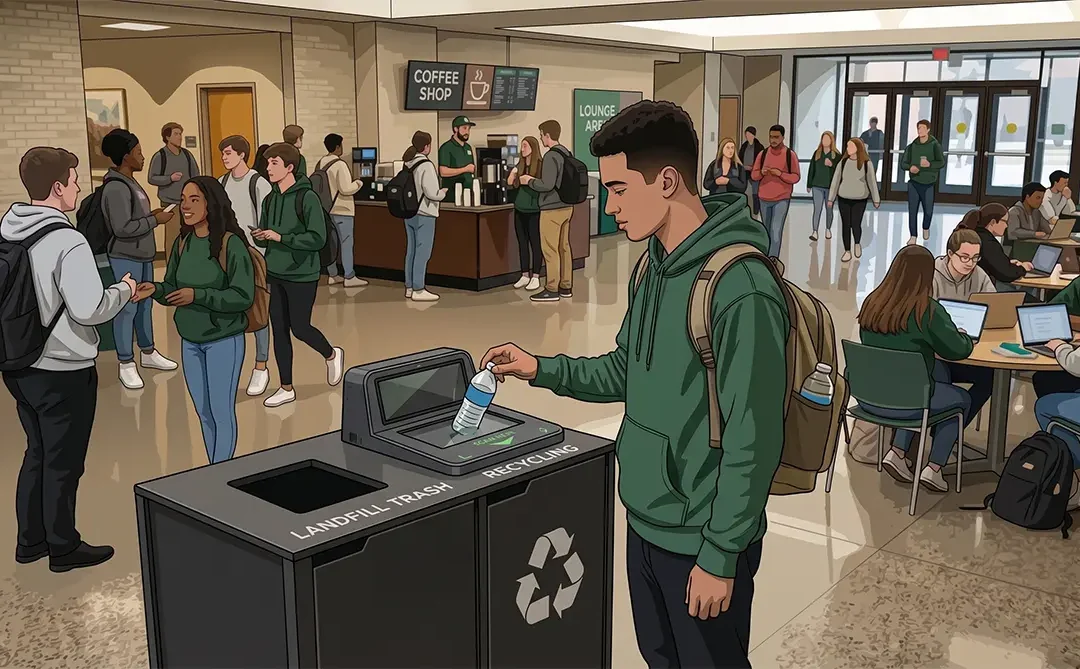
by Dan Trujillo | Mar 31, 2026 | Sustainability, Behavioral Architecture, Circular Economy, Consumer Engagement, Contamination, Contamination Prevention, Contamination Solutions, Data Collection, Data Management, Waste Management
If you run a high-traffic facility like a stadium, a convention center, or a sprawling campus, you probably have a 2030 sustainability goal taped to your wall. Right now, contamination is the single biggest threat to that goal. You have likely seen the pitches for...

by Dan Trujillo | Mar 10, 2026 | Behavioral Architecture, College Campus, Consumer Engagement, Contamination Solutions, Data Collection, Data Management, ESG, Marketing, Recycling, Recycling Data, Stakeholders, Strategic Value, Zero-Party Data
As privacy regulations tighten and third-party cookies crumble, brands are facing a critical challenge. How do you get to know your customers without overstepping their boundaries? The answer lies in a shift from passive tracking to active conversation. At Waste Wise...
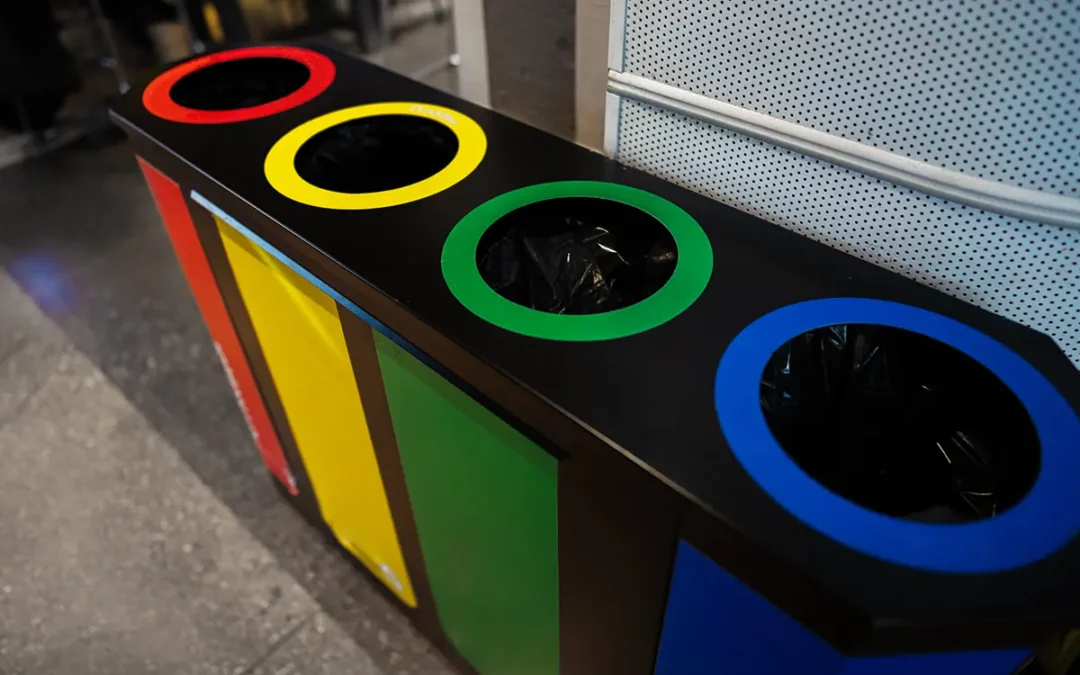
by Dan Trujillo | Feb 25, 2026 | Strategic Value, Behavioral Architecture, Recycling, Stakeholders, Sustainability Strategy, Waste Management
Behavioral architecture is the intentional design of environments to influence human decision-making. In the context of waste management, it means building systems that make the sustainable choice the easiest and most obvious default. By understanding how occupants...
by Dan Trujillo | Feb 17, 2026 | Contamination, AI, Contamination Prevention, Contamination Solutions, PET, Recycling, Recycling Data, Recycling Stream, rPET, Sustainability, Venues, Waste Management
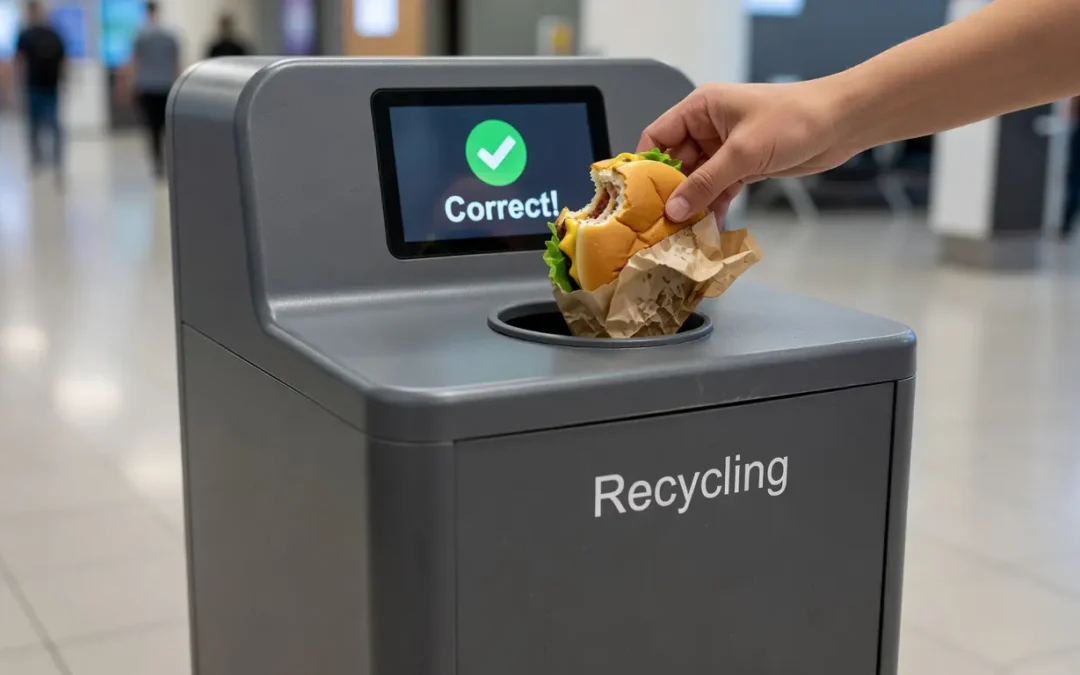
Modern recycling stations are becoming increasingly sophisticated. You can find them in airports, stadiums, corporate campuses, and universities. These stations often feature sleek digital displays designed to show sorting guidance, public announcements, and even...