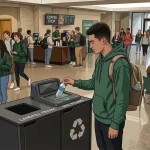
In the evolving waste management landscape, the shift from traditional data collection methods to localized, bin-level monitoring is In the evolving waste management landscape, the shift from traditional data collection methods to localized, bin-level monitoring is revolutionizing recycling efficiency and sustainability. Waste Wise Innovation champions this transformation, emphasizing the critical role of precise, event-based analytics in optimizing recycling programs.
The Limitations of Traditional Data Collection
Historically, recycling data has been gathered through third-party billing reports, providing only aggregated weight measurements after materials are hauled away. This retrospective approach lacks the granularity needed to identify issues such as contamination sources or inefficient bin usage. Organizations struggle to implement targeted improvements without detailed insights, often relying on assumptions rather than actionable data.
Advantages of Localized, Bin-Level Data
1. Identification of Contamination Trends
Monitoring enables the tracking of contamination trends directly at the unit. By capturing when and where non-accepted materials are presented, organizations can promptly address issues through targeted education or operational changes, reducing the risk of entire recycling streams being compromised.
2. Optimized Collection Schedules
With continuous data on bin fill levels, waste management can transition from fixed collection schedules to demand-based pickups. This adaptability conserves resources by avoiding unnecessary collections and prevents overflows, maintaining cleaner and more efficient recycling environments.
3. Enhanced Transparency and Accountability
Detailed analytics foster greater accountability among all stakeholders. Organizations can track recycling performance, set measurable goals, and transparently report progress to stakeholders, reinforcing a commitment to sustainability initiatives.
When data is verified and securely recorded, it becomes a powerful tool for compliance, reporting, and stakeholder trust. Whether you’re pursuing sustainability goals, ESG metrics, or LEED certification, an anonymous deposit event log strengthens your credibility.
4. Proactive Program Adjustments
Continuous data collection allows for the monitoring of recycling trends over time. This insight facilitates proactive adjustments to recycling programs, ensuring they evolve in response to actual usage patterns and challenges, rather than relying on outdated or generalized data.
Waste Wise Innovation’s Connected Solutions
At the forefront of this data-driven approach are Waste Wise Innovation’s Material Authentication Units, integrated with Infrastructure Analytics.
- Code-Based Verification: The system reads item barcodes and matches them against a local, on-device acceptance list. No item images are captured or classified.
- Status Indicators: Feedback indicators at the point of disposal.
- Privacy-First Reporting: Each accepted deposit is logged as an anonymous, timestamped event. No personal data or user identities are ever tracked or stored at the bin.
Our secure platform provides properties with robust analytics for logged deposits, tracking overall bin usage and macro-level collection needs. By leveraging this technology, organizations can make informed operational decisions that enhance recycling efficiency and compliance while keeping data secure and completely anonymous.
Conclusion
Transitioning to localized, bin-level data collection is not merely a technological upgrade; it’s a strategic imperative for effective waste management. By embracing this approach, organizations can achieve greater efficiency, accountability, and environmental impact. Waste Wise Innovation stands ready to support this transition, offering the tools and expertise necessary to harness the full potential of connected recycling data.
Dan Trujillo is the Chief Brand Officer at Waste Wise Innovation, bringing over 20 years of expertise in brand strategy, UI/UX design, and digital marketing to the forefront of sustainability technology. He specializes in bridging the gap between anonymous recycling bins and measurable marketing assets, leveraging the power of brand storytelling to connect purpose-driven platforms directly with everyday users. By translating complex disposal data into intuitive, human-centered user journeys, Dan helps scale high-engagement recycling intelligence networks that align with global ESG goals while turning sustainable actions into memorable consumer connections.