by Jailyn Bloodworth | Nov 12, 2025 | Consumer Engagement, College Campus, Contamination, Contamination Prevention, Data Collection, Data Management, Innovation, PET, Recycling, Recycling Data, Recycling Stream, rPET, Sustainability
When Waste Wise Innovation first partnered with the University of South Carolina Upstate, both organizations shared a vision of a cleaner, connected, and circular campus recycling system. As the pilot progresses, that vision is being explored through on-campus...
by Jailyn Bloodworth | Oct 3, 2025 | Consumer Engagement, Colleges, Contamination, Contamination Prevention, Data Collection, Data Management, Innovation, PET, Recycling, Recycling Data, Recycling Stream, rPET, Sustainability
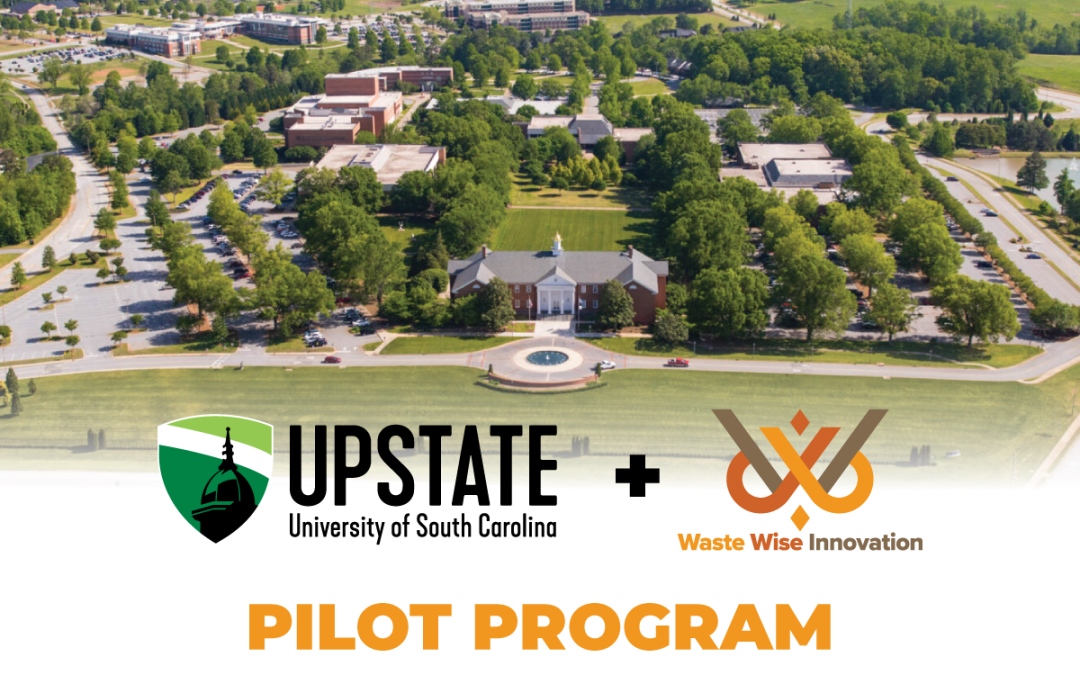
Waste Wise Innovation is proud to partner with the University of South Carolina Upstate to launch a groundbreaking pilot program that will bring connected, data-driven recycling infrastructure to campus. Through this initiative, USC Upstate is deploying Material...

by Dan Trujillo | Jul 7, 2025 | Contamination Prevention, Consumer Engagement, Data Collection, Recycling, Recycling Stream
Recycling is not just a checkbox on the sustainability to-do list; it is a vital action that can reshape our planet’s future. There may be recycling bins on every corner, but participation remains inconsistent, contamination is too high, and valuable materials often...
by Dr. Leotis Bloodworth | Jun 23, 2025 | Contamination, Contamination Prevention, Data Collection, Data Management, Innovation, Recycling, Recycling Data, Recycling Stream, Sustainability, Venues, Waste Management
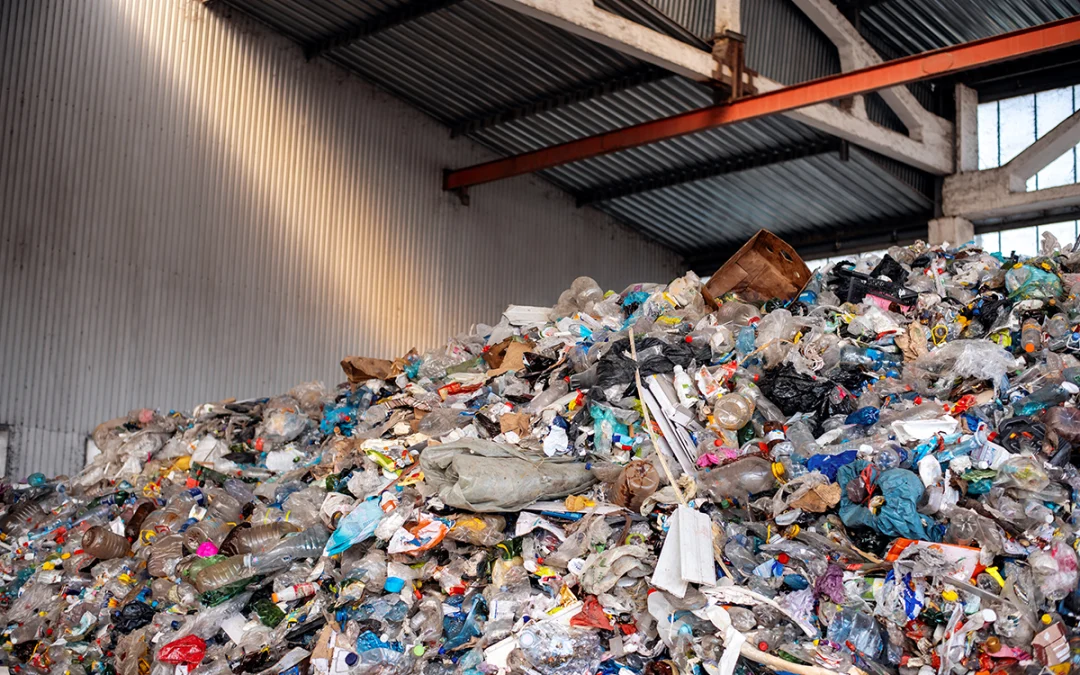
Recycling is a cornerstone of sustainability efforts in public venues. Still, contamination of the recycling stream remains a persistent and costly challenge, particularly in stadiums, arenas, university campuses, corporate campuses, and busy municipal areas. Let’s...
by Dan Trujillo | Jun 11, 2025 | Contamination, Contamination Prevention, Data Collection, Innovation, PET, Recycling, Recycling Data, Recycling Stream, rPET, Sustainability, Waste Management
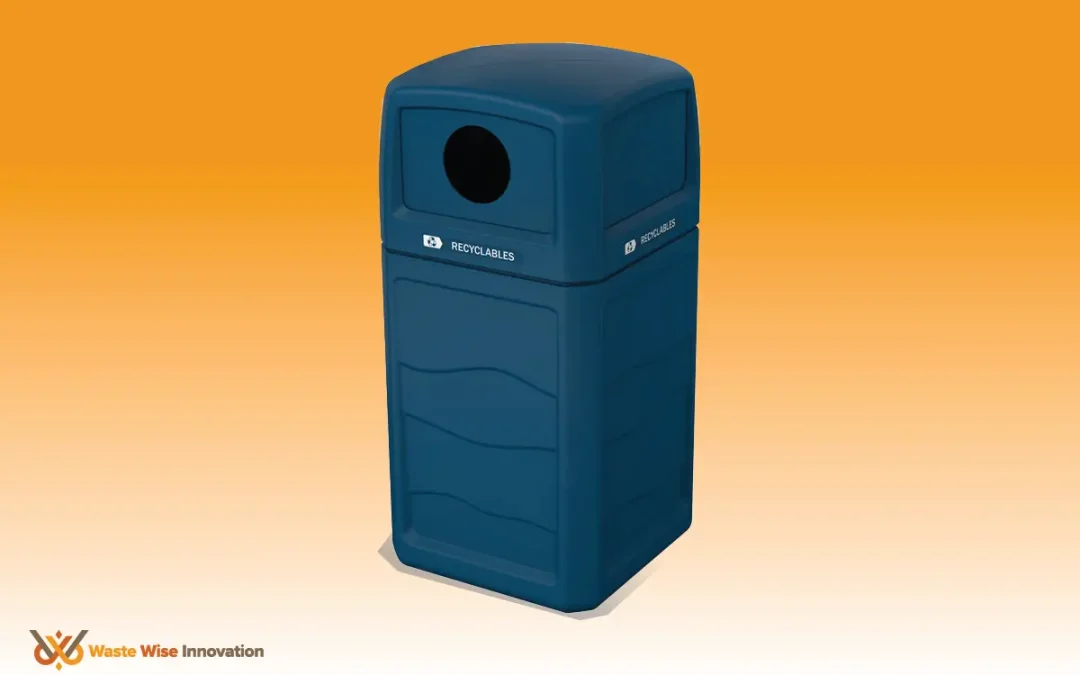
As organizations and communities strive for greater sustainability, connected recycling bins are transforming waste operations. By combining fill-level sensors, barcode scanning, and data analytics, these units reduce contamination at the source, eliminate overflow,...
by Dan Trujillo | Jun 9, 2025 | Expertise, Aluminum, Recycling, Recycling Data, Recycling Stream, rPET
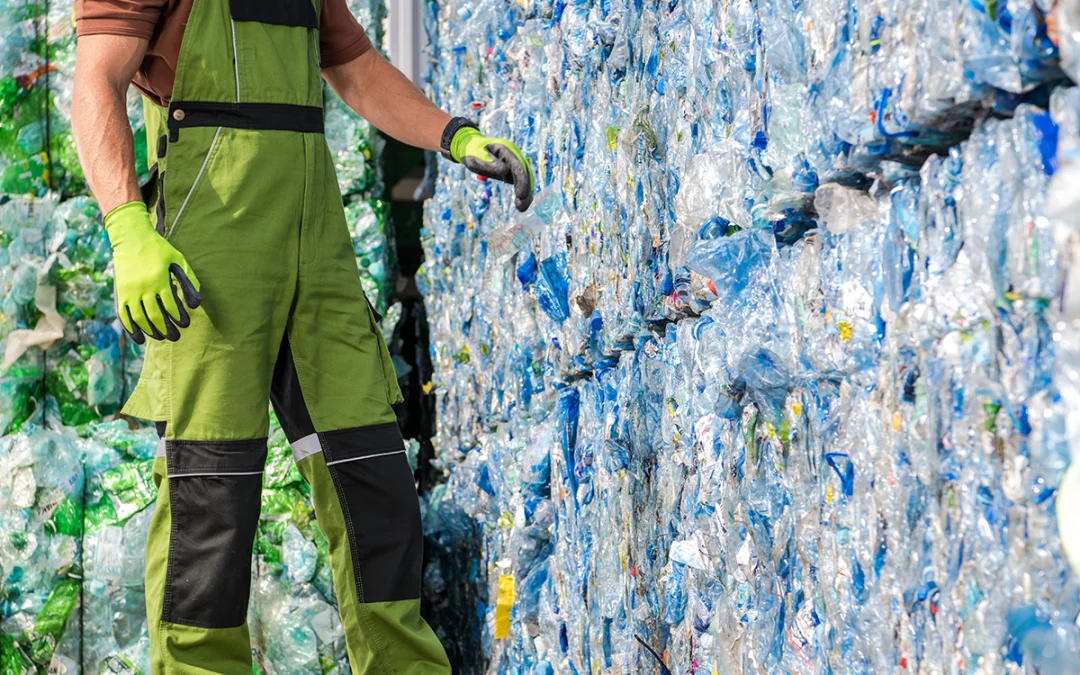
The value of recycled materials, especially plastic and aluminum beverage containers, depends on more than just what we toss in the bin. It’s shaped by the systems that collect, sort, and process our recyclables, and by how well we, as consumers, participate in those...