by Dan Trujillo | Jun 11, 2025 | Contamination, Contamination Prevention, Data Collection, Innovation, PET, Recycling, Recycling Data, Recycling Stream, rPET, Sustainability, Waste Management
As organizations and communities strive for greater sustainability, connected recycling bins are transforming waste operations. By combining fill-level sensors, barcode scanning, and data analytics, these units reduce contamination at the source, eliminate overflow,...
by Jailyn Bloodworth | May 9, 2025 | Chain of Custody, Contamination, Contamination Prevention, Data Collection, Data Management, PET, Recycling, Recycling Data, Recycling Stream, rPET
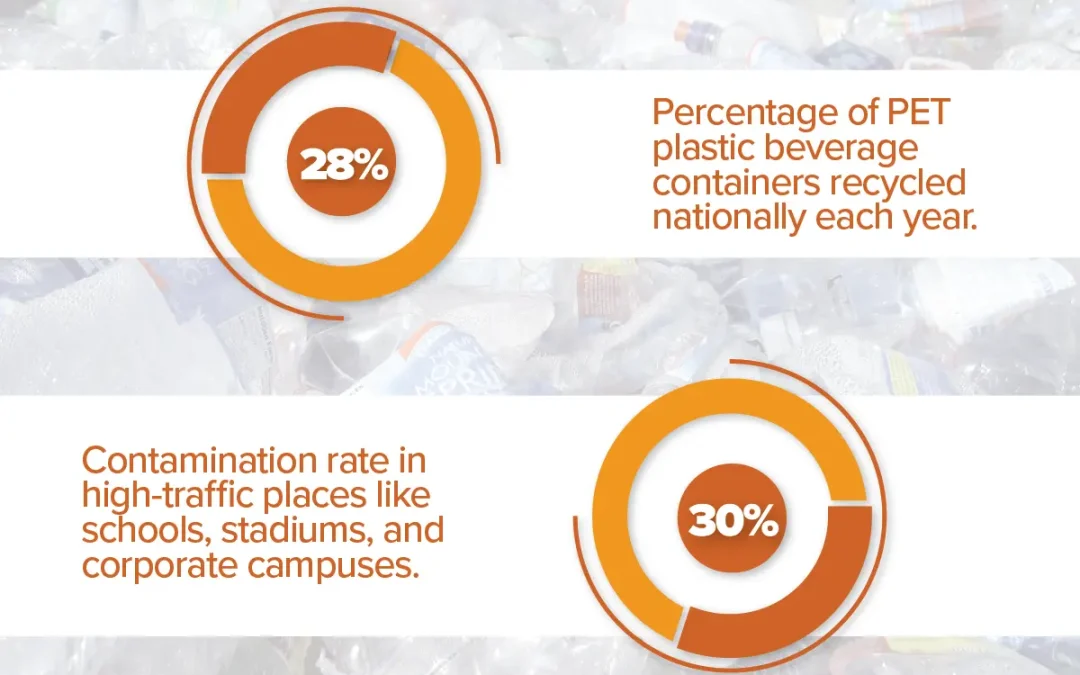
Most plastic bottles and aluminum cans in the U.S. can be recycled, but many aren’t. The reason? Contamination and poor sorting prevent billions of food-grade containers from being turned back into new products. The Problem: Good Materials, Wasted Nationally, only...
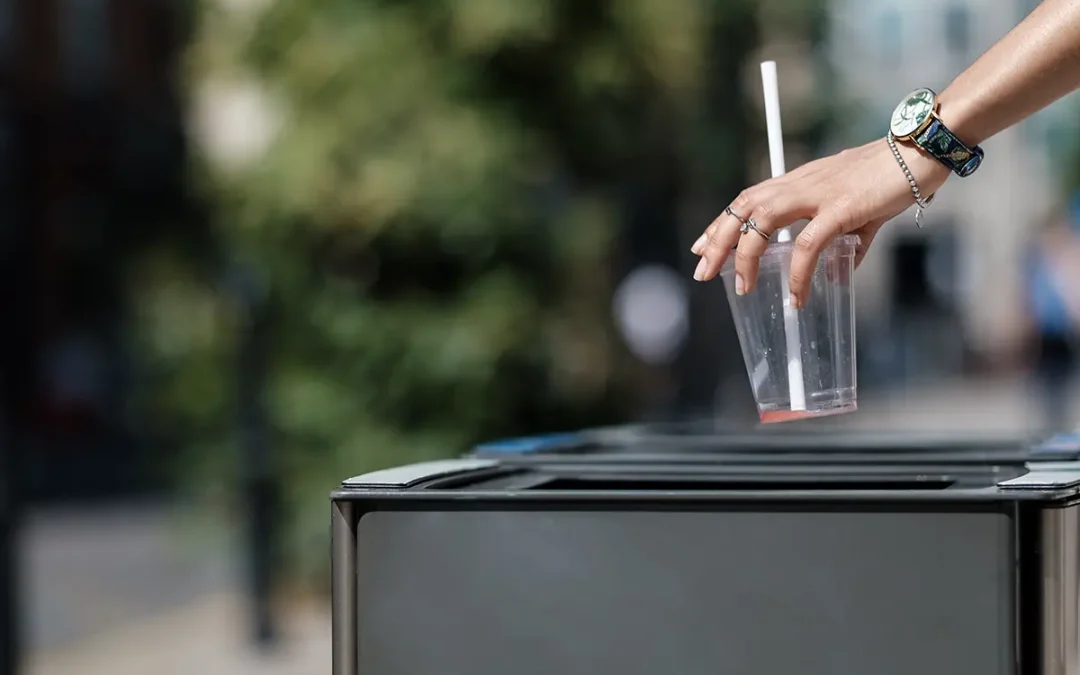
by Dan Trujillo | Apr 23, 2025 | Contamination, Contamination Prevention, Data Collection, Data Management, Recycling, Recycling Data, Recycling Stream, Sustainability
In the evolving waste management landscape, the shift from traditional data collection methods to localized, bin-level monitoring is In the evolving waste management landscape, the shift from traditional data collection methods to localized, bin-level monitoring is...
by Jailyn Bloodworth | Apr 16, 2025 | Data Management, Contamination, Contamination Prevention, Data Collection, Innovation, Manufacturing, Oil Industry, PET, Recycling, Recycling Stream, rPET, Sustainability
Part 3: Plastic Production & Recycling Introduction With the mounting pressure to reduce plastic waste, technology has become a powerful ally. Forward-thinking companies are leveraging connected solutions to transform the way they collect, track, and recycle...

by Dan Trujillo | Mar 31, 2025 | Recycling, Contamination, Contamination Prevention, Contamination Solutions, Data Management, PET, Sustainability, Waste Management
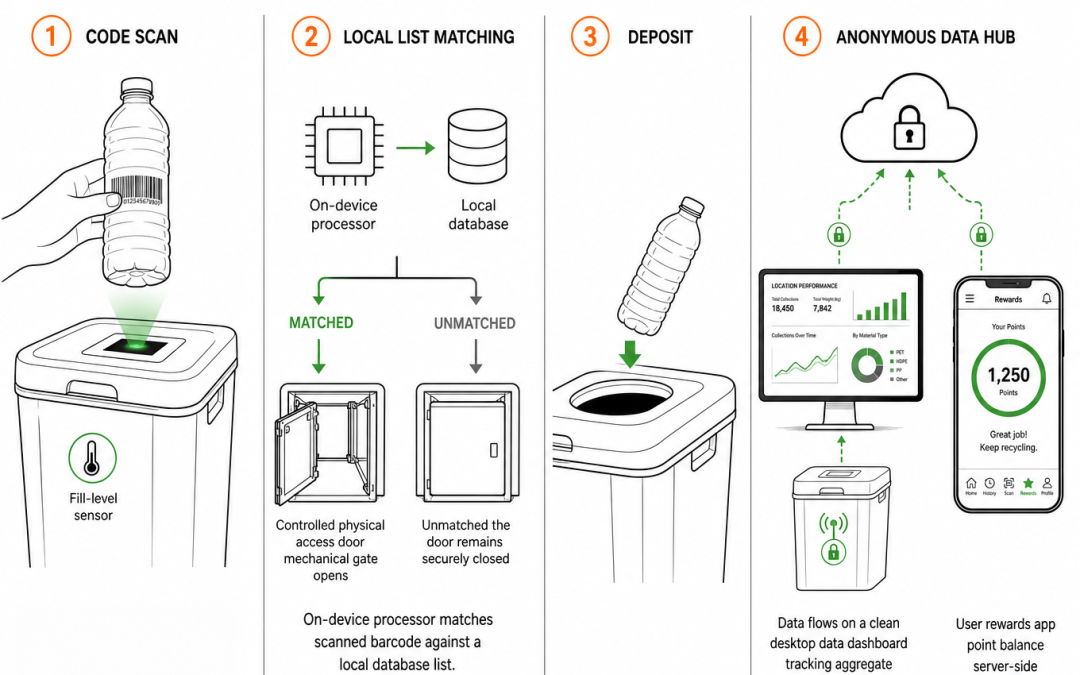
At Waste Wise Innovation, we’re transforming recycling with our Material Authentication Units. We combine precision barcode scanning with a curated product database to ensure only acceptable items enter recycling bins where the technology is deployed. But how exactly...
by Dr. Leotis Bloodworth | Sep 25, 2024 | Recycling, Contamination, Contamination Prevention, Recycling Stream
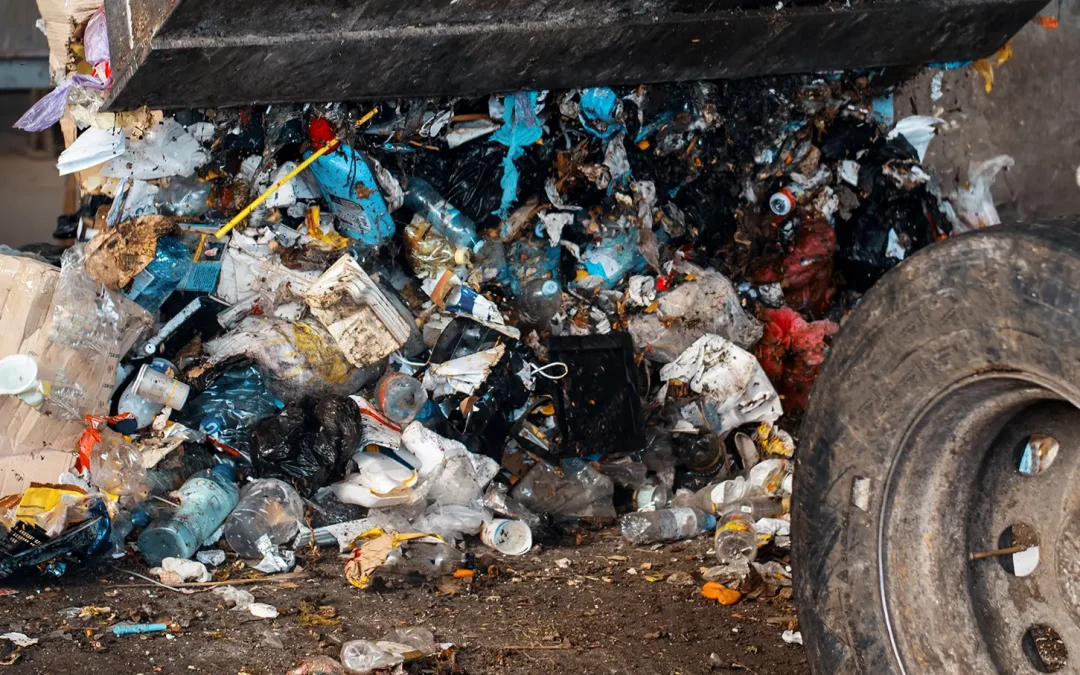
The global push for sustainability has elevated recycling from a good practice to an environmental necessity. Yet, despite best intentions, recycling contamination taking place at the bin level of the recycling stream remains one of the biggest challenges in achieving...